Understanding Dental Veneers Basics
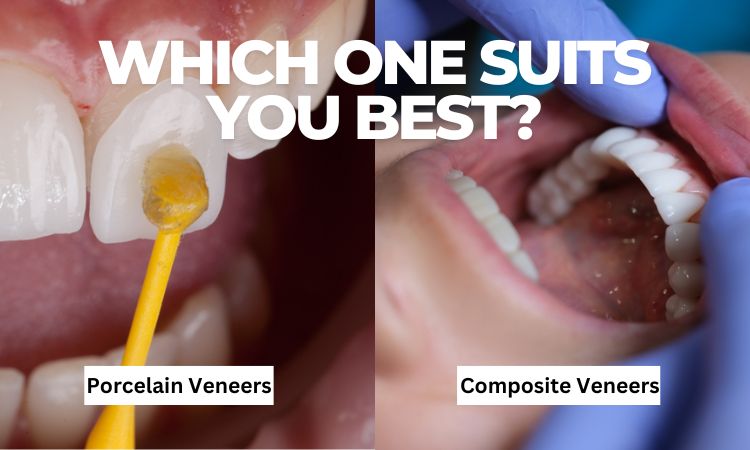
Dental veneers are thin shells that bond to the front surface of your teeth. They instantly improve tooth color, shape, and alignment. Two main types exist: porcelain and composite veneers. Each offers distinct advantages and disadvantages. Choosing between them requires understanding their key differences.
Veneers solve multiple cosmetic problems simultaneously. They address discoloration, chips, gaps, and misalignment. At Cosmo Smiles Dental in Arlington, VA, we help patients determine which veneer type matches their needs and budget.
What Are Porcelain Veneers?
Material Composition
Porcelain veneers are custom-crafted shells made from high-quality ceramic material. Each veneer is individually designed in a dental laboratory. The ceramic material closely mimics natural tooth enamel structure and light reflection properties.
Porcelain is a premium dental material. It’s biocompatible and durable. The material resists staining and temperature changes. Porcelain veneers require skilled craftsmanship for optimal aesthetic results.
How Porcelain Veneers Are Applied
The procedure involves two to three dental visits. First, your dentist examines your teeth and discusses aesthetic goals. A small amount of tooth enamel is removed from the front surface.
Custom impressions are taken and sent to our laboratory. Temporary veneers protect your teeth while permanent ones are being crafted. This process typically takes one to two weeks.
During the final appointment, permanent porcelain veneers are bonded with special dental cement. Your dentist ensures perfect fit and bite alignment. The procedure is completed under local anesthesia for comfort.
✅ Porcelain Veneer Advantages
- Exceptional DurabilityPorcelain veneers last 10–15 years with proper care. Many patients enjoy their veneers for 20 years or longer. This extended lifespan makes them a smart long-term investment.
- Superior Stain ResistancePorcelain resists staining from coffee, red wine, tobacco, and other staining agents. Your smile stays bright without discoloration. The material doesn’t absorb external stains like composite does.
- Natural Aesthetic AppearancePorcelain closely replicates natural tooth enamel. The translucency and light reflection properties create an authentic look. Observers cannot tell you have veneers.
- Gum CompatibilityPorcelain doesn’t irritate gum tissue. It’s biocompatible and maintains excellent margins. Gums remain healthy around porcelain veneers indefinitely.
- Minimal MaintenanceBeyond regular brushing and flossing, porcelain requires no special care. Normal dental hygiene habits suffice.
⚠ Porcelain Veneer Disadvantages
- Higher CostPorcelain veneers cost $800–$2,000 per tooth. For a full smile transformation, expect $5,000–$15,000 total investment. This higher cost reflects the craftsmanship and material quality.
- Irreversible ProcedureEnamel removal is permanent. You cannot return to your natural tooth structure. This commitment should be carefully considered.
- Longer Treatment TimelineMultiple dental visits are required. The process spans two to four weeks from consultation to completion. Patients must be patient with the timeline.
- Requires Skilled DentistPorcelain veneer placement demands significant expertise. Poor placement creates aesthetic problems. Choose an experienced cosmetic dentist.
What Are Composite Veneers?
Material Composition
Composite veneers use tooth-colored resin material. This same resin is used for dental fillings. The dentist applies and shapes the composite directly on your tooth surface.
Composite material is less expensive than porcelain. It’s easier to adjust and repair. However, it’s also less durable long-term.
How Composite Veneers Are Applied
Composite veneers offer a much faster application process. Your dentist prepares your tooth surface minimally. Sometimes no enamel removal is necessary.
Tooth-colored resin is applied directly to your tooth. Your dentist sculpts the composite to match your desired shape. A special light hardens the material immediately.
The entire procedure completes in one dental visit. You leave with your new smile the same day. No temporary veneers or multiple appointments needed.
✅ Composite Veneer Advantages
- Cost-Effective OptionComposite veneers cost $200–$600 per tooth. Full mouth transformations cost $1,500–$5,000 total. This affordability appeals to budget-conscious patients.
- Same-Day CompletionYou receive your new smile in a single appointment. No waiting for laboratory work. Immediate gratification for smile transformation.
- Minimally InvasiveLittle to no enamel removal is required. Your natural tooth structure is largely preserved. The procedure is easily reversible if needed.
- Easy RepairsIf composite chips or cracks, your dentist can repair the damage. No complete veneer replacement necessary. Simple touch-ups maintain your smile.
- No Lab DelaysSince the dentist applies composite directly, no laboratory time is needed. Scheduling flexibility improves with same-day results.
⚠ Composite Veneer Disadvantages
- Short LifespanComposite veneers last only 5–7 years. They require replacement far sooner than porcelain. This creates higher replacement costs over time.
- Prone to StainingComposite material absorbs stains from coffee, wine, and tobacco. Your veneers may discolor over time despite good care. Staining is a significant cosmetic concern.
- Less Natural AppearanceComposite doesn’t perfectly replicate natural enamel. The light reflection differs from natural teeth. Observant individuals may notice your veneers.
- Requires Frequent MaintenanceRegular polishing helps maintain composite appearance. Special sensitivity toothpaste may be needed. More intensive care is necessary.
- Material DeteriorationComposite gradually degrades over time. Surface texturing and minor damage accumulate. This affects both appearance and longevity.
Detailed Comparison: Porcelain vs. Composite Veneers
| Category | Porcelain Veneers | Composite Veneers |
|---|---|---|
| Durability and Lifespan | 10–15+ years | 5–7 years max |
| Stain Resistance | Highly resistant | Prone to staining |
| Aesthetic Quality | Natural — matches enamel perfectly | Good but less natural |
| Cost Per Tooth | $800–$2,000 | $200–$600 |
| Treatment Time | 2–4 weeks total | Single appointment |
| Enamel Removal | Small amount | Little to none |
| Repairability | Full replacement needed | Simple repairs |
| Reversibility | Permanent | Largely reversible |
| Maintenance Requirements | Basic brushing & flossing | Regular polishing & special care |
How to Choose Between Porcelain and Composite Veneers
Choose Porcelain Veneers If You:
- Want veneers lasting 10–15+ years
- Prioritize natural appearance over cost
- Prefer minimal maintenance requirements
- Consume staining foods and beverages frequently
- Want your veneers to be undetectable
- Are comfortable with an irreversible procedure
- Seek the best long-term aesthetic investment
Choose Composite Veneers If You:
- Have a limited budget for cosmetic dentistry
- Want same-day smile transformation
- Prefer reversible aesthetic procedures
- Aren’t concerned about staining slightly
- May want to modify your smile in the future
- Need quick dental work completion
- Want to test veneers before major investment
Cost Analysis: Long-Term Veneer Investment
Porcelain Veneer Costs
- Initial investment for 6 veneers $4,800–$12,000
- Replacement cost (10–15 years) Similar amount
- Professional cleanings (every 6 months) $100–$200
- Total 20-year cost $9,600–$24,000+
Composite Veneer Costs
- Initial investment for 6 veneers $1,200–$3,600
- Replacement cost (5–7 years, multiple times) Similar amount
- Repairs and adjustments $200–$500 each
- Professional polishing $50–$100 quarterly
- Total 20-year cost $12,000–$18,000+
Caring for Your Veneers Properly
Daily Maintenance for Both Types
- Brush twice daily with soft-bristled toothbrush
- Floss every day to prevent plaque buildup
- Use fluoride toothpaste for protection
- Rinse with mouthwash after meals
Foods and Habits to Avoid
- Hard candy and ice chewing
- Sticky foods like caramel and taffy
- Excessive consumption of staining beverages
- Teeth grinding without a night guard
- Using teeth as tools to open packages
- Smoking and tobacco use
Regular Professional Care
Schedule dental checkups every 6 months for both types. Professional cleaning maintains veneer appearance. Your dentist monitors veneer integrity and health.
Why Porcelain Veneers Dominate the Market
Most cosmetic dentists recommend porcelain veneers for permanent patients. The superior durability justifies higher initial costs. Long-term value significantly exceeds composite options.
Superior Durability
Porcelain veneers represent a confidence investment. The natural appearance boosts self-esteem for years. Professional results create lasting satisfaction.
Better Long-Term Value
Despite higher upfront costs, porcelain veneers save money over 20 years. Fewer replacements, fewer repairs, and superior performance make them the smarter financial choice.
Undetectable Results
The translucency and light-reflection properties of porcelain so closely match natural enamel that observers genuinely cannot tell you have veneers.
Minimal Upkeep
Normal brushing and flossing is all porcelain requires. No special polishes, no quarterly appointments — just excellent results with everyday habits.
Frequently Asked Questions
Schedule Your Veneer Consultation at Cosmo Smiles Dental
Ready to transform your smile? Contact our Arlington cosmetic dentistry team today. Book your consultation to discuss which veneer option suits your goals, budget, and timeline. Our experienced cosmetic dentist will guide you toward the perfect smile transformation.
Phone: (571) 210-4747 · Email: info@cosmosmiles.com · Location: Arlington, Virginia
