
Tooth decay and cavities can affect your comfort, oral health, and confidence. If you are searching for tooth fillings in Arlington, VA, understanding the available treatment options can help you make informed decisions about your dental care. Dental fillings restore damaged tooth structure, help protect against further decay when properly placed, and allow you to chew more comfortably.
At Cosmo Smiles Dental, patients can explore restorative dental care options based on their individual needs. The right filling material depends on the location and size of the cavity, the condition of the tooth, your preferences, and your dentist’s recommendations.
What Are Tooth Fillings?
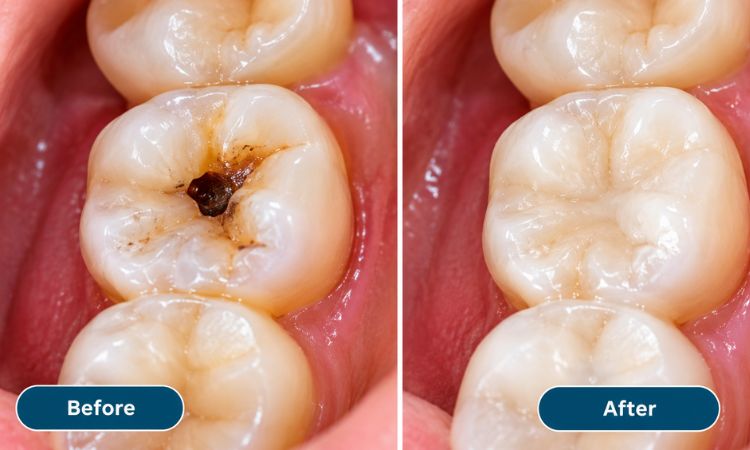
Tooth fillings are restorative dental treatments used to repair teeth damaged by cavities or minor fractures. During treatment, a dentist removes the decayed portion of the tooth, cleans the affected area, and fills the space with a suitable dental material.
Getting a filling at the appropriate time can help preserve more of your natural tooth structure and reduce the risk of decay progressing deeper into the tooth. If you experience tooth sensitivity, discomfort while chewing, or a visible dark spot on a tooth, a dental examination can help determine whether a filling is appropriate.
What Are the Benefits of Tooth Fillings?
Choosing appropriate tooth fillings in Arlington can offer several benefits for your oral health.
- Restore Damaged Teeth: Dental fillings repair areas affected by tooth decay and restore the tooth’s shape and function. This helps you chew more comfortably and maintain your normal daily activities.
- Help Prevent Further Tooth Damage: Removing decay and restoring the affected area helps prevent the existing cavity from continuing to damage the tooth. However, fillings do not prevent new cavities, so regular brushing, flossing, and dental checkups remain important.
- Preserve Natural Tooth Structure: When a cavity is treated early, a filling may allow the dentist to preserve more of your natural tooth than a more extensive restoration would require.
- Improve the Appearance of Your Smile: Tooth-colored composite fillings can blend with your natural teeth. They are particularly useful when restoring visible teeth or when appearance is an important consideration.
- Support Comfortable Chewing: A properly placed filling restores the tooth’s shape and helps distribute normal chewing forces. Your dentist can adjust the filling if your bite feels uneven after treatment.
What Are the Different Types of Tooth Fillings?
Several dental filling materials are available. Your dentist will recommend an option based on the tooth’s condition, the restoration’s location, durability, appearance, and other clinical considerations.
Composite Tooth Fillings
Composite fillings are made from a tooth-colored resin material. They can be matched to the shade of your natural teeth, making them a popular option for patients who want a more discreet restoration.
Potential advantages:
- Natural-looking appearance.
- Suitable for many small and medium-sized cavities.
- Can bond to the tooth structure.
- Useful for restoring visible teeth.
Composite fillings may require replacement over time, depending on wear, the size of the restoration, and oral habits.
Amalgam Fillings
Amalgam fillings are silver-colored restorations made from a mixture of metals. They have traditionally been used for their strength and durability, particularly in back teeth.
Potential advantages:
- Strong material for certain restorations.
- Long history of use in dentistry.
- Often suitable for areas exposed to chewing pressure.
Their metallic appearance may make them less desirable for patients concerned about visible restorations. Your dentist can discuss whether amalgam or an alternative material is appropriate for your circumstances.
Ceramic or Porcelain Restorations
Ceramic and porcelain materials are commonly used for certain dental restorations, including inlays and onlays. They can provide a natural appearance and may be recommended when a tooth needs more coverage than a conventional filling can provide.
Potential advantages:
- Natural-looking appearance.
- Good resistance to staining.
- Useful for selected restorations that require additional coverage.
These restorations may cost more than direct composite fillings and may require additional preparation or laboratory work.
Glass Ionomer Fillings
Glass ionomer is a tooth-colored material that releases fluoride. Dentists may use it in selected situations, including certain areas near the gumline or restorations where fluoride release is beneficial.
It is generally less wear-resistant than composite material, so it may not be the best choice for every chewing surface.
Gold Fillings
Gold has been used for durable dental restorations. Gold restorations can last many years with appropriate care, but they are less commonly chosen by patients seeking tooth-colored treatment because of their appearance and cost.
Your dentist can explain the advantages and disadvantages of each material before treatment.
How Do You Know If You Need Tooth Fillings?
Tooth decay does not always cause noticeable symptoms in its early stages. However, certain signs may indicate that you need a dental examination:
- Sensitivity to hot, cold, or sweet foods.
- Pain or discomfort when chewing.
- A visible hole or dark spot on a tooth.
- Food frequently getting trapped in one area.
- Persistent tooth discomfort.
These symptoms do not always mean you need a filling. Your dentist may examine your teeth and recommend dental X-rays when clinically necessary to identify the extent of decay.
If decay has reached the tooth’s inner pulp, a filling alone may not be sufficient. Depending on the findings, other treatments may be needed.
What Happens During a Tooth Filling Procedure?
If you visit a dentist for tooth fillings in Arlington, the procedure generally involves several steps.
Step 1: Dental examination
Your dentist evaluates the affected tooth and determines the extent of the damage.
Step 2: Preparing the tooth
Local anesthesia may be used to help keep you comfortable. The dentist removes the decayed portion of the tooth and cleans the area.
Step 3: Placing the filling
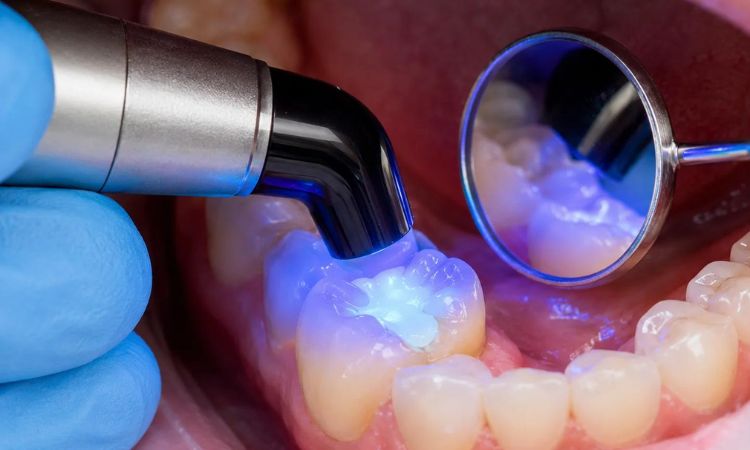
The selected material is placed into the prepared area. Composite material is typically applied in layers and hardened with a special curing light.
Step 4: Shaping and polishing
The dentist shapes the restoration, checks your bite, and polishes the filling to help it feel comfortable.
Many routine fillings can be completed in a single appointment, although treatment time depends on the tooth and the complexity of the procedure.
How Should You Care for Your Dental Fillings?
Good oral hygiene can help extend the useful life of your restoration and reduce the risk of new cavities.
- Brush twice daily with fluoride toothpaste.
- Floss every day.
- Limit frequent sugary snacks and drinks.
- Attend regular dental checkups.
- Avoid chewing hard objects such as ice.
- Contact your dentist if a filling feels loose, breaks, or causes persistent discomfort.
Some sensitivity may occur temporarily after treatment. However, severe pain, swelling, or persistent bite discomfort should be evaluated by a dental professional.
Why Consider Cosmo Smiles Dental for Tooth Fillings in Arlington?
Choosing a dental provider involves more than selecting a filling material. A dental examination helps determine the most appropriate way to restore your tooth while considering your comfort, oral health, and long-term needs.
Cosmo Smiles Dental provides a local point of contact for patients exploring dental care in Arlington, Virginia. During your appointment, ask about the available filling materials, expected treatment costs, and the best option for your particular tooth.
To learn more about available dental services, visit Cosmo Smiles Dental.
Frequently Asked Questions About Tooth Fillings in Arlington
1. How much do tooth fillings cost in Arlington, VA?
The cost depends on the filling material, the size and location of the cavity, and the complexity of treatment. Dental insurance may cover part of the expense, depending on your plan. Ask your dental office for a personalized estimate before treatment.
2. Which type of tooth filling is best?
There is no single best material for every patient. Composite fillings are popular for their natural appearance, while other materials may be appropriate depending on the tooth’s location, the size of the cavity, and chewing forces.
3. How long do dental fillings last?
The lifespan of a filling varies by material, restoration size, oral hygiene, and biting habits. Regular dental examinations help identify worn, damaged, or leaking restorations that may need attention.
4. Are tooth fillings painful?
Local anesthesia is commonly used when needed to improve comfort during treatment. Some patients experience temporary sensitivity afterward. Contact your dentist if pain is severe or does not improve.
5. Can a cavity heal without a filling?
A formed cavity that has damaged the tooth structure generally cannot be repaired by brushing alone. Early tooth mineral loss may sometimes be managed with fluoride and preventive care, but a dentist should assess the tooth to determine the appropriate treatment.
6. How long does a tooth filling appointment take?
Many routine fillings can be completed in one appointment. The exact time depends on the number of teeth being treated, the extent of decay, and the filling material used.
7. When should I see a dentist for a possible cavity?
Schedule a dental examination if you notice sensitivity, tooth pain, a visible hole, or discomfort when chewing. Seek prompt dental advice for worsening pain or swelling.
Schedule a Dental Appointment
Taking care of a cavity early can help protect your natural teeth and reduce the risk of more extensive treatment. If you need information about tooth fillings in Arlington, VA, Call (571) 210-4747 or contact Cosmo Smiles Dental to discuss your symptoms and available treatment options.
